
Head and neck microvascular reconstruction is a highly specialized surgical technique that rebuilds complex defects following cancer removal, trauma, or other conditions affecting the head and neck region. At the Advanced Head and Neck, Cranial / Orbital / Maxillofacial Surgery Program at Scripps Prebys Cancer Center, Dr. Ravi Garg leads our microvascular reconstruction efforts, utilizing state-of-the-art computer-aided planning and advanced surgical techniques to restore both function and appearance.
What Is Microvascular Reconstruction?
Microvascular reconstruction, also called free flap surgery, involves transferring tissue - including skin, muscle, bone, or combinations thereof - from one part of the body to the head and neck to rebuild structures removed during cancer surgery or absent due to trauma or congenital birth difference. The term "microvascular" refers to the microscopic reconnection of blood vessels that keep the transferred tissue alive. Using specialized microsurgical techniques and high-powered microscopes, surgeons connect tiny arteries and veins to establish blood flow to the transplanted tissue.
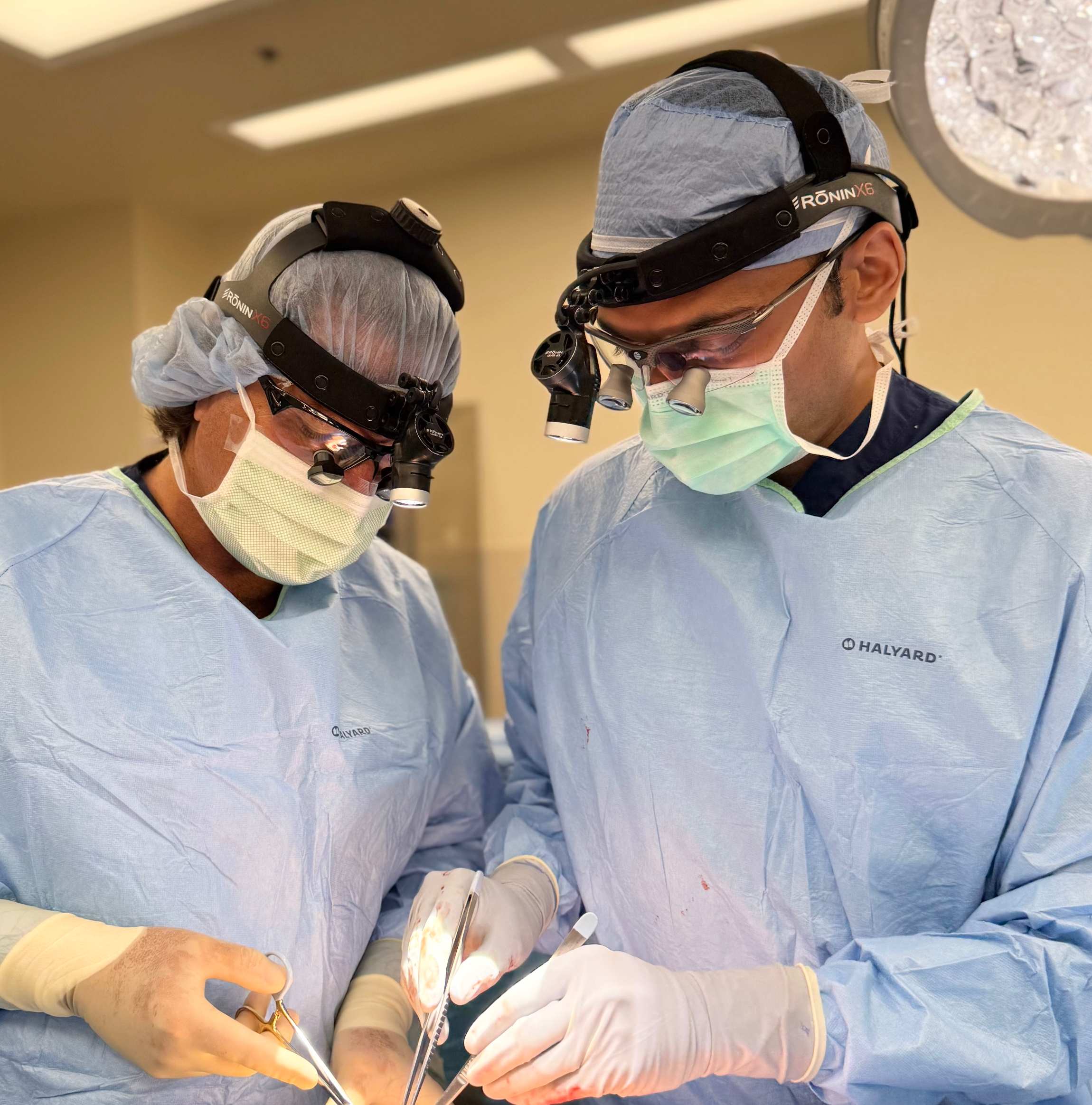
This sophisticated procedure allows reconstruction of complex defects that would be impossible to repair with local tissue alone. Common donor sites include the forearm, back, thigh, hip, and lower leg, chosen based on the specific reconstruction needs and patient factors.
Conditions Requiring Microvascular Reconstruction
Patients may require microvascular reconstruction following removal of head and neck cancers affecting the tongue, jaw, throat, floor of mouth, or facial structures. Extensive tumors often necessitate removal of significant amounts of tissue and sometimes bone, creating defects that cannot heal on their own or be closed with simpler techniques. Traumatic injuries from accidents, gunshot wounds, or other severe trauma may also require microvascular reconstruction, particularly when bone and soft tissue are lost. Additionally, some patients need reconstruction for osteoradionecrosis (bone death following radiation therapy), severe infections, or congenital birth differences affecting the jaw and facial structures.
Advanced Virtual Surgical Planning
Dr. Ravi Garg utilizes cutting-edge computer-aided design and manufacturing (CAD/CAM) technology to virtually plan complex reconstructions before surgery. Using detailed 3D CT scans, the surgical team creates a precise digital model of the patient's anatomy and the defect requiring reconstruction. Custom surgical guides and plates can be fabricated to ensure accuracy during the procedure, improving outcomes and reducing operating time. This advanced planning allows the surgical team to anticipate challenges, optimize the choice of donor tissue, and pre-shape reconstructive plates to match the patient's unique anatomy. The result is more predictable outcomes with better functional and aesthetic results.
The Microvascular Reconstruction Process
Microvascular reconstruction typically occurs immediately following cancer removal in a single operation. While the ablative surgeon removes the tumor, the reconstructive team prepares the donor tissue. Once the cancer is completely removed and the defect is defined, the reconstructive phase begins. The procedure involves harvesting tissue from the donor site with its blood supply intact, transferring it to the head and neck, shaping it to fit the defect, and then using microsurgical techniques to connect the blood vessels. This delicate work requires connecting vessels often less than two millimeters in diameter using sutures finer than human hair.
Operations typically last 6 to 12 hours depending on complexity. Patients remain hospitalized for an average 4 to 7 days for monitoring, as the first few days following surgery are critical for ensuring the transferred tissue maintains adequate blood supply. The surgical team monitors flaps closely using physical examination and specialized monitoring equipment.
Functional Restoration
The goal of microvascular reconstruction extends beyond simply closing the defect - we aim to restore function. For tongue reconstruction, this means restoring the ability to speak clearly and swallow safely. For jaw reconstruction, we focus on recreating the ability to chew and maintaining facial symmetry. When reconstructing the throat, preserving or restoring the ability to swallow without aspiration is paramount. Dr. Ravi Garg's expertise in functional reconstruction means careful attention to positioning tissue to maximize functional outcomes. Many patients work with speech and swallowing therapists after surgery to optimize their recovery and adapt to their reconstruction.
Bone Reconstruction
When cancer removal or trauma involves the jaw or other facial bones, microvascular reconstruction may include bone transfer. The fibula (lower leg bone) is commonly used for jaw reconstruction because its shape, size, and blood supply make it ideal for this purpose. Using virtual surgical planning, the fibula can be precisely shaped to match the removed jaw segment, and dental implants can later be placed to restore chewing function. In select cases, immediate dental implants and dental prosthetic restoration are possible when the surgery is coordinated with a maxillofacial prosthodontist.
Recovery and Outcomes
Recovery from microvascular reconstruction is a gradual process. Initial healing of the surgical sites takes several weeks, but the transferred tissue continues to adapt and settle for many months. Most patients remain out of work for 6 to 8 weeks, though this varies based on the complexity of reconstruction and individual healing. Speech and swallowing function typically improves progressively over the first three to six months. Some patients require additional minor procedures to refine the reconstruction or address specific functional concerns. Physical therapy, speech therapy, and nutritional support play important roles in recovery.
Insurance Coverage
Microvascular reconstruction following cancer removal is considered medically necessary and is covered by medical insurance. Our team manages the insurance authorization process, submitting comprehensive documentation and working directly with your insurance plan to secure approval. This comprehensive approach to insurance coordination ensures that necessary reconstruction doesn't face administrative barriers.
Expertise You Can Trust
Dr. Ravi Garg's specialized training in cranio/maxillofacial and head and neck microvascular surgery and his use of advanced virtual planning technology position our program at the forefront of reconstructive care. Our integration within Scripps Prebys Cancer Center provides access to comprehensive support services and multidisciplinary expertise. If you're facing a condition that may require microvascular reconstruction, we invite you to schedule a consultation to discuss your options.